
Wisplet
"I try to understand how you feel."
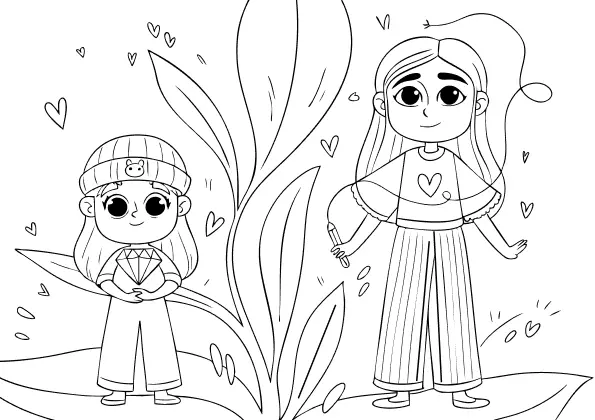
Wisplet represents empathy, patience, and emotional growth.
This Tamito helps children learn kindness toward others and build emotional bridges.
Wisplet
Traits
What makes Wisplet special
Empathetic, calm, patient, open
Represents
What Wisplet represents
Empathy, emotional understanding, social connection
Ability
What Wisplet helps with
Helps children recognize and respect emotions in others
Behaviour
How Wisplet behaves
Wisplet listens carefully, observes quietly, and responds with kindness instead of judgment.

How Wisplet helps children and families build connection and empathy
Wisplet as a character embodies the goal of the entire Tamitos world: that every child can learn to see the world through someone else’s eyes.
Parents can use this character to open conversations about difference, about kindness, and about the fact that understanding does not require sameness. For autistic children specifically, Understanding offers a model of empathy that includes their form of empathy — deep, real, and sometimes overwhelming — and validates it as genuine.
Common questions about empathy and understanding in autism
Do autistic children have empathy?
Yes. Autistic children very often experience empathy deeply — sometimes more intensely than neurotypical peers.
The common myth that autistic people lack empathy stems from early, flawed research and from the fact that autistic emotional expression often looks different from neurotypical expression. What differs is frequently how empathy is communicated, not whether it is felt.
How can I help my child understand other people’s feelings?
Use concrete, consistent, and visual tools — emotion cards, character-based storytelling, social stories, and direct, honest explanations work better than expecting children to infer emotions from subtle cues.
Name emotions clearly and specifically in everyday life. Avoid sarcasm and indirect language. Create space for your child to ask direct questions about why people feel the way they do — autistic children often learn social and emotional understanding through explicit teaching rather than implicit absorption.



Learn more on our blog
See all articles

See all articles