

FAQ
The questions you ask us most
Everything you want to know about the world of TAMITOS: our children's book about autism and emotions, the series in the making, the video game, and how it all helps children feel understood.
Book
What is the TAMITOS book about?
TAMITOS: A Story of Understanding is a children's book about autism, emotions and empathy. It follows two sisters, Ela and Lumi, as they learn to understand their feelings, their sensory differences and their own way of seeing the world, all through a gentle story instead of labels or medical explanations.
Is TAMITOS a children's book about autism?
Yes. TAMITOS was created by parents raising an autistic daughter and a neurotypical daughter. It introduces autism to children in a warm, age appropriate way and helps them recognise emotions, build empathy and accept differences.
What age is the TAMITOS book for?
The book is written for children roughly 4 to 11 years old and is loved by families with autistic children, by siblings learning to understand each other, by parents opening up conversations about emotions and by teachers supporting inclusion in the classroom.
Where can I buy the TAMITOS book?
In our online shop and in Martinus and Panta Rhei bookstores. You can find the current purchase links on the book page.
Is the book suitable for neurotypical children and siblings too?
Absolutely. The story is written for every child. It helps neurotypical siblings and classmates understand what an autistic child may be feeling, and it teaches empathy, patience and acceptance that benefit all children.
Is TAMITOS a book series?
Yes, TAMITOS is a trilogy of three books. It starts with A Story of Understanding and continues with A Tale of Uniqueness and A Story of Acceptance, guiding children step by step through emotional growth, uniqueness and belonging.
When do the next TAMITOS books come out?
A Tale of Uniqueness comes out on 10 October 2026 and A Story of Acceptance on 10 October 2027. We will share the news on our social channels.
Series and game
Will there be a TAMITOS animated series?
Yes. The world of TAMITOS is built to grow beyond the books, into an animated series, characters and a wider world children fall in love with. You can see the whole vision on the series page.
Is there a TAMITOS video game?
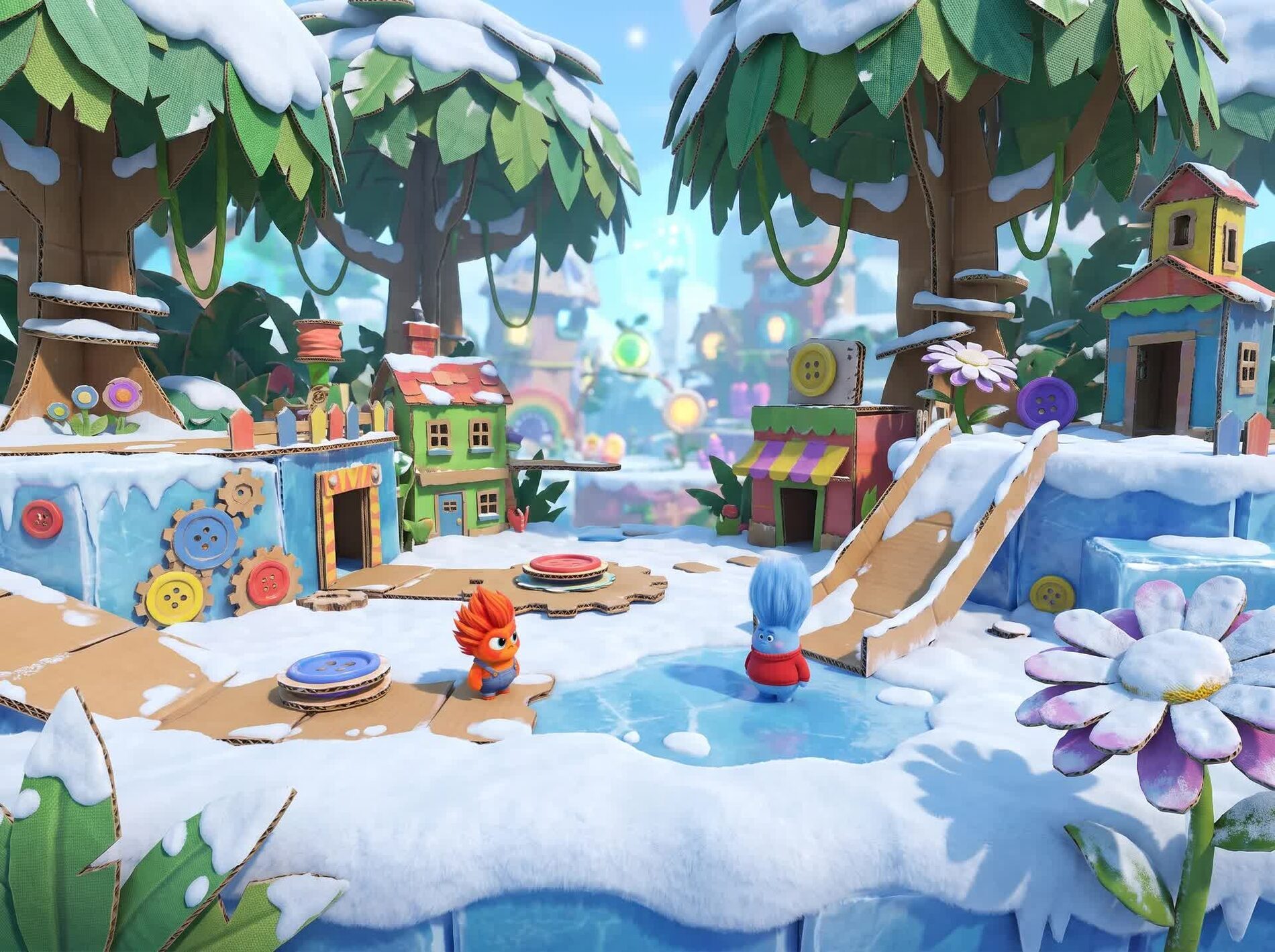
Yes. TAMITOS: A Story of Understanding is a story driven adventure game that brings the world of the book to life and lets children explore emotions and the Tamitos characters interactively.
What platforms will the TAMITOS game be on?
The main adventure is being made for PC, PlayStation and Nintendo Switch. You can add it to your wishlist on Steam to get a notification when it is released.
Are there free TAMITOS games for kids online?
Yes, children can play free browser mini games any time: Tic Tac Toe, Balloon Pop, Puzzles, Match Pairs, Coloring and 3 2 1 Jump. You can find them all on the games page.
Characters
Who are Ela and Lumi?
Ela and Lumi are the two sisters at the heart of the TAMITOS story. Ela is full of energy, ideas and adventures, Lumi takes in the world in her own way, gently and sensitively. Together they show children how understanding turns differences into friendship. You can meet them on the characters page.
What are the Tamitos?
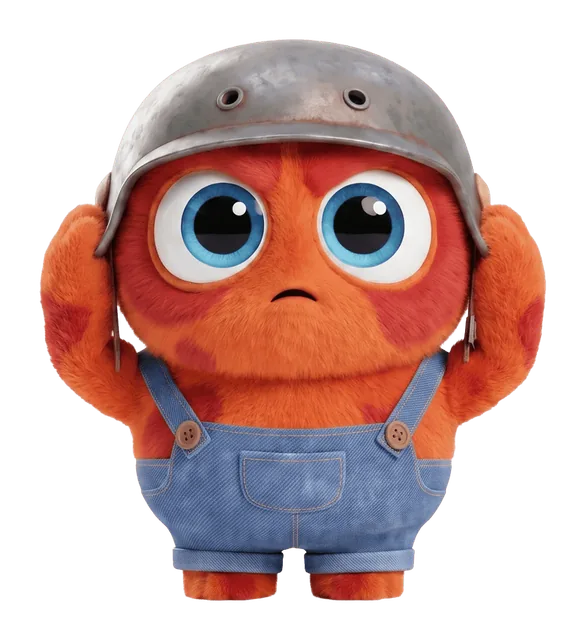
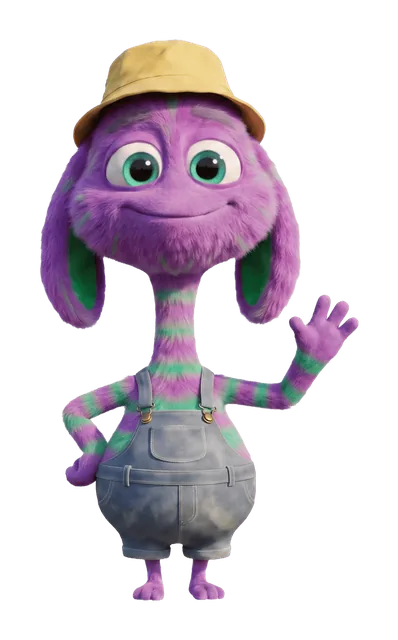
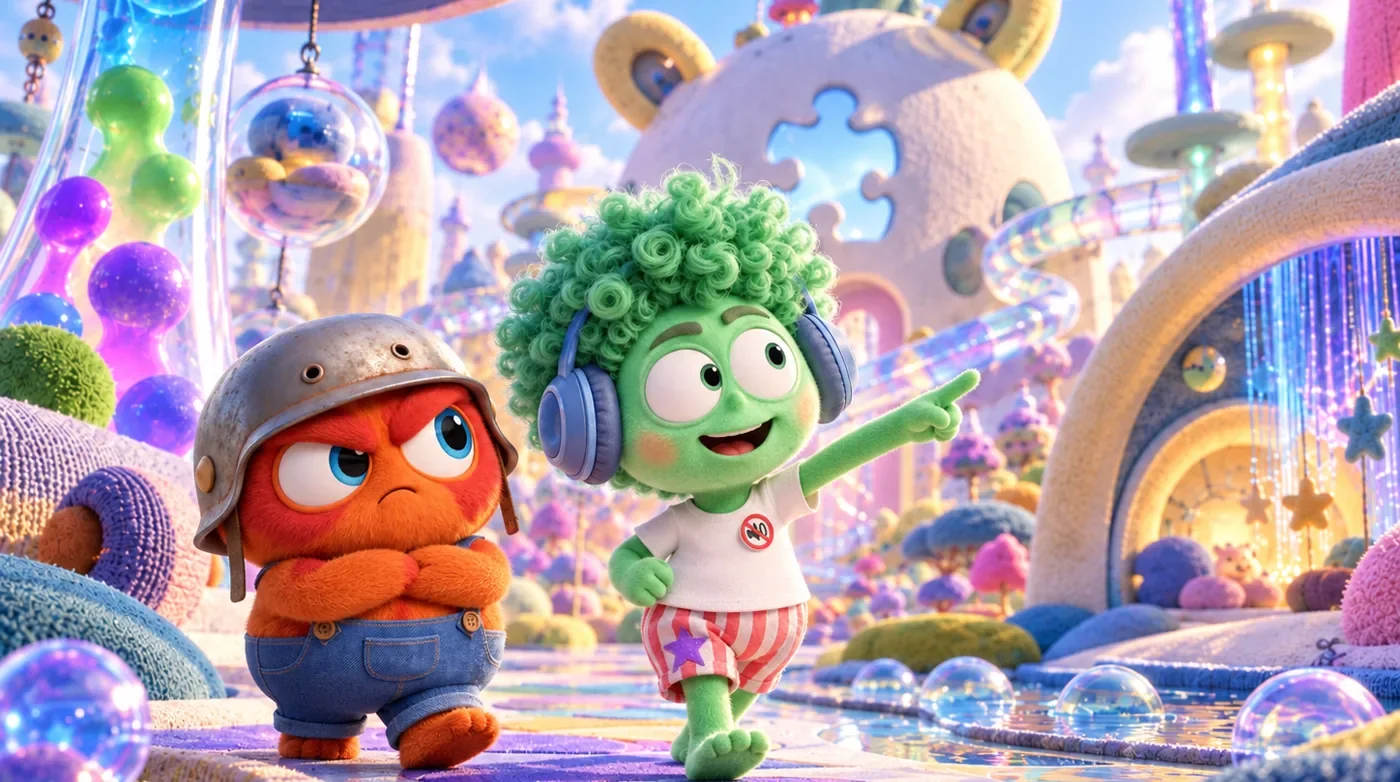
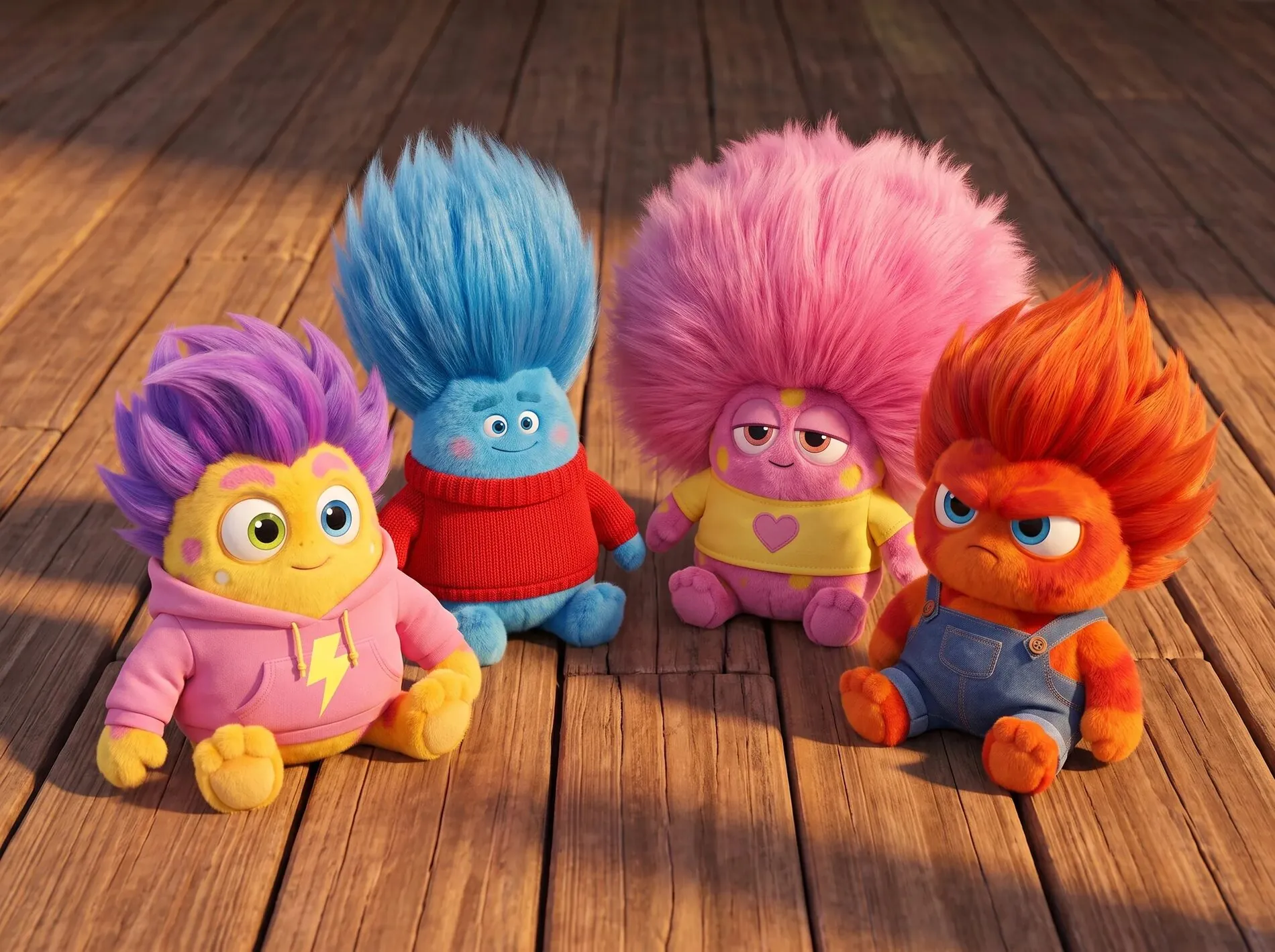
The Tamitos are lovable characters, each one standing for a single feeling, because every feeling has a friend. They help children name their emotions and make friends with them instead of being afraid of them.
How can TAMITOS help my child understand emotions?
Through story, colour and characters, TAMITOS gives children a shared language for feelings. It supports emotional understanding in children, autism awareness, empathy towards siblings and classmates, acceptance of differences and emotional communication.
About us
Who created TAMITOS, is there a real family behind it?
Yes. TAMITOS started at our own kitchen table, in a family that lives with autism every day. You can read the whole story on the About us page.
Are TAMITOS products safe for children?
Safe, kind content is our first priority. Every book, game and product is designed to be calm, positive and age appropriate, a warm, safe space for children to grow in.
Have another question?
Write to us and we will get back to you. We are a family, not a customer service centre, so a real person answers.
business@tamitos.com
Help families feel they are not alone.
Your gift goes to the nonprofit OZ TAMITOS and straight to families of autistic children.