


What is neurodiversity? A simple explanation for parents and teachers
Neurodiversity means every brain works a little differently. What neurodivergent and neurotypical mean, who is neurodivergent, how to explain it to children…
 Nina Bakalová8 October 2026 · 4 min read
Short answer: Neurodiversity means that human brains do not all work the same way. Some people perceive, learn, focus or communicate differently from most. We call them neurodivergent, for example children with autism, ADHD or dyslexia. Neurodiversity is not a diagnosis or an illness, it is a name for the natural variety of people.
What does the word neurodiversity mean?
The word combines "neuro" (the nervous system, the brain) and "diversity". It appeared in the late 1990s in the autistic community and is most often linked to the sociologist Judy Singer. The idea is simple: differences in how a brain processes the world are part of human variety, just like differences in height or eye colour.
Three terms come up again and again:
| Term | What it means |
|---|---|
| Neurodiversity | the variety of all human brains, it includes everyone |
| Neurodivergent person | someone whose brain works markedly differently from most (for example autism, ADHD, dyslexia) |
| Neurotypical person | someone whose perception and learning match what most people consider typical |
Who is neurodivergent?
Neurodivergent people most often include people with:
- autism (autism spectrum disorder),
- ADHD,
- dyslexia, dysgraphia or dyscalculia,
- dyspraxia (developmental coordination disorder),
- Tourette syndrome.
The World Health Organization (WHO) estimates that about 1 in 127 people worldwide were autistic in 2021. Neurodivergent people as a whole are far more common, most classrooms have several.
Is neurodiversity a diagnosis?
No. Neurodiversity is a way of looking at people, not a medical term. A diagnosis such as autism or ADHD is made by a professional: a child psychiatrist, a clinical psychologist or a neurologist. If you have questions about your child, start with your paediatrician and a professional assessment. A diagnosis is not a label, it is the door to the support a child needs.
Is neurodiversity a superpower or a problem?
Neither. Neurodivergent children have real strengths (deep interests, precision, creativity, honesty) and real difficulties (overload from noise, sleep problems, hard transitions, communication). The picture of "autism as a superpower" is as inaccurate as "autism as a tragedy". Every child is different and needs the people around them to see both: what comes easily and where they need help.
How do you explain neurodiversity to children?
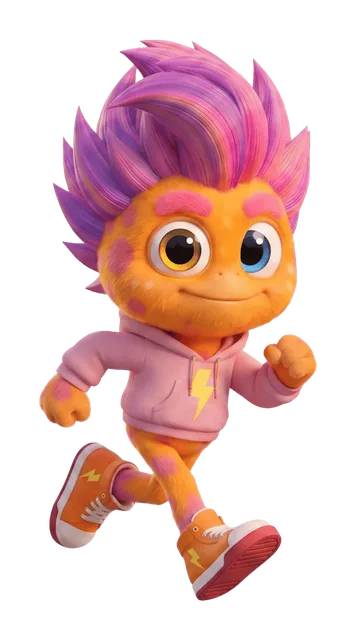
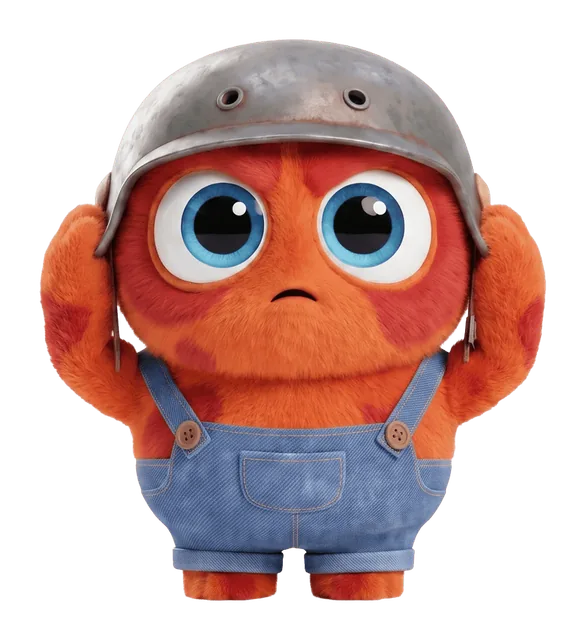
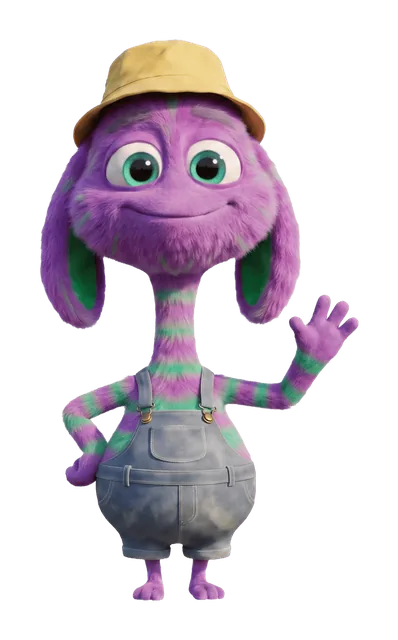
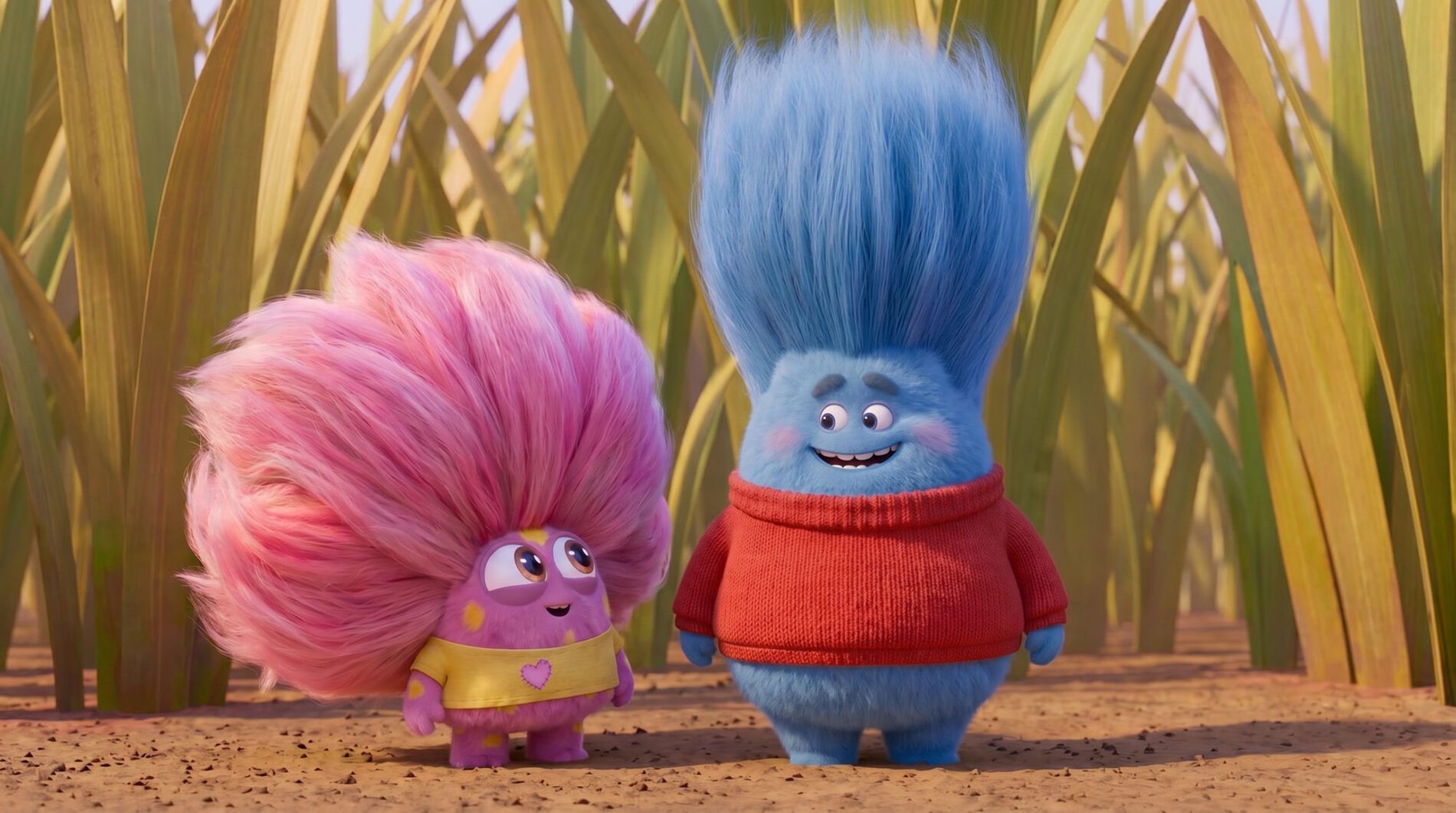
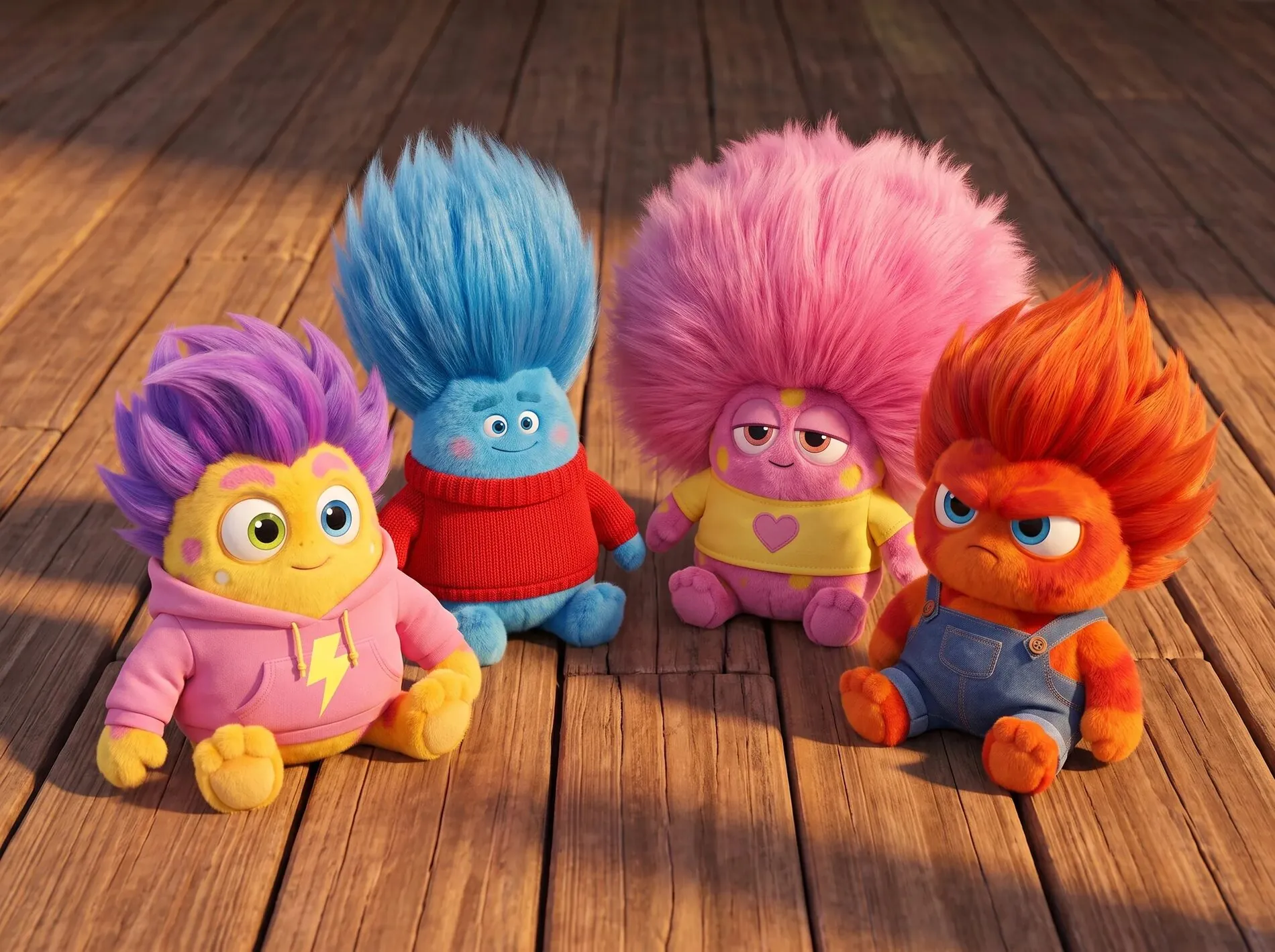
One simple sentence helps: "Every brain works a little differently. Some people hear sounds louder, some need to move all the time, some can dive into one topic for hours." Then give the feelings a face. In the TAMITOS book and series each trait has its own character:
- Zoomie needs to move all the time, his body and thoughts run fast (ADHD).
- Hushlit cannot filter out sound and feels lost in noise (sound sensitivity).
- Touchet feels touch and textures very strongly (sensory processing).
- Cleverkin dives into his favourite topic with his whole heart (intense interests).
- Grumplet carries the anger and overload we know from meltdowns.
When a child can say "today I feel like Hushlit", it is easier to name what they need. More in How to explain autism to a child.
How can you support a neurodivergent child at home and at school?
- Predictability: a visual daily schedule and changes announced in advance lower stress.
- A calm spot: a corner where the child can retreat when there is too much going on. Headphones help too.
- Movement: short movement breaks help especially children with ADHD to focus.
- Clear language: short, concrete instructions, one step at a time.
- Strengths: build on what the child enjoys. Interest is the best road to learning.
- Working with the school: agree on a shared approach with the teacher, the teaching assistant and the school counselling service.
If your child has overload episodes, read What an autistic meltdown is and how to help and Sensory overload in children.
Frequently asked questions
Is autism the same as neurodiversity? No. Autism is one form of neurodivergence. Neurodiversity is the wider term and also includes ADHD, dyslexia and more.
Can a child be neurodivergent without a diagnosis? Yes, many children have difficulties that no professional has named yet. If you suspect something, talk to your paediatrician or a counselling service. Early support helps.
Should I say "autistic child" or "child with autism"? Both are used. Many autistic adults prefer "autistic person", some families prefer "child with autism". The best approach is to ask the family what feels natural to them.
Can neurodiversity be "cured"? No, it is not an illness. Everyday life can still improve a lot: with the right therapy, changes to the environment, support at school and understanding from others.
From what age can you talk to children about neurodiversity? Even preschoolers understand a simple explanation through stories and characters. The TAMITOS book is for children aged 4 to 11.
Sources
- World Health Organization (WHO): Autism, fact sheet, 2025
- Judy Singer: NeuroDiversity: The Birth of an Idea, 2017 (based on her 1998 thesis)
- How to explain autism to a child, TAMITOS
This article is general information for parents and teachers and does not replace a professional assessment.
Mom of two and co-founder of TAMITOS. For several years I have walked alongside our daughter on the autism spectrum, sharing real experiences from everyday life to bring more understanding and practical information to parents and everyone around them.
More articles
Autism support in Slovakia: where to get help, organisations and contacts (2026)
After the words "it is autism", nobody hands you a map. This is the one we wish we had: where to go in Slovaki…
How to Help an Autistic Child Name & Manage Big Emotions
Short answer: You help an autistic child manage big emotions by co-regulating, lending them your calm before …
Are Siblings of Autistic Children More Empathetic? What the Research Really Shows
You have probably read that brothers and sisters of autistic children grow up unusually empathetic. It is a lo…
 Free
Free