


Children's books about feelings: 5 picture books to share
Explore five picture books about feelings, individuality, courage and change. A TAMITOS editorial selection with ideas for reading together.
 Nina Bakalová11 October 2026 · 4 min read

Children's books about feelings can give a family a story to return to. One child may notice a character's face; another may point to a colour or a particular moment. These five picks explore understanding, emotions, individuality, courage and change. Choose around your child's interest, rather than expecting an explanation of every feeling after reading.
The first pick is our own book, TAMITOS Príbeh porozumenia. This is the TAMITOS editorial selection, not an independent expert test or a comparison of therapeutic outcomes. The book is available as a Slovak print edition and an English Kindle edition. The other books offer English-language reading options from separate creators.
1. TAMITOS Príbeh porozumenia: a shared story of understanding
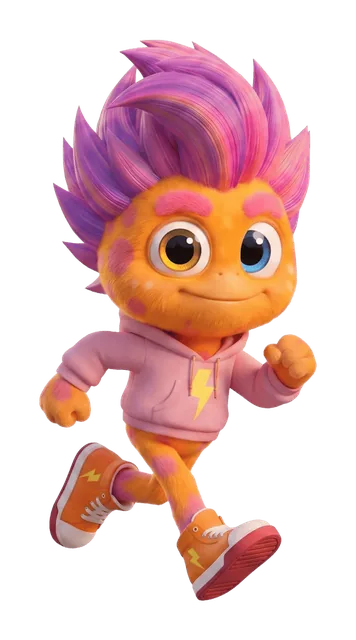
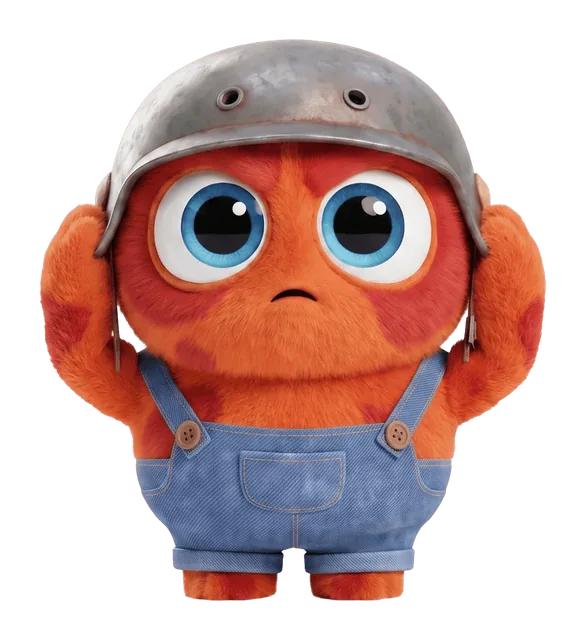
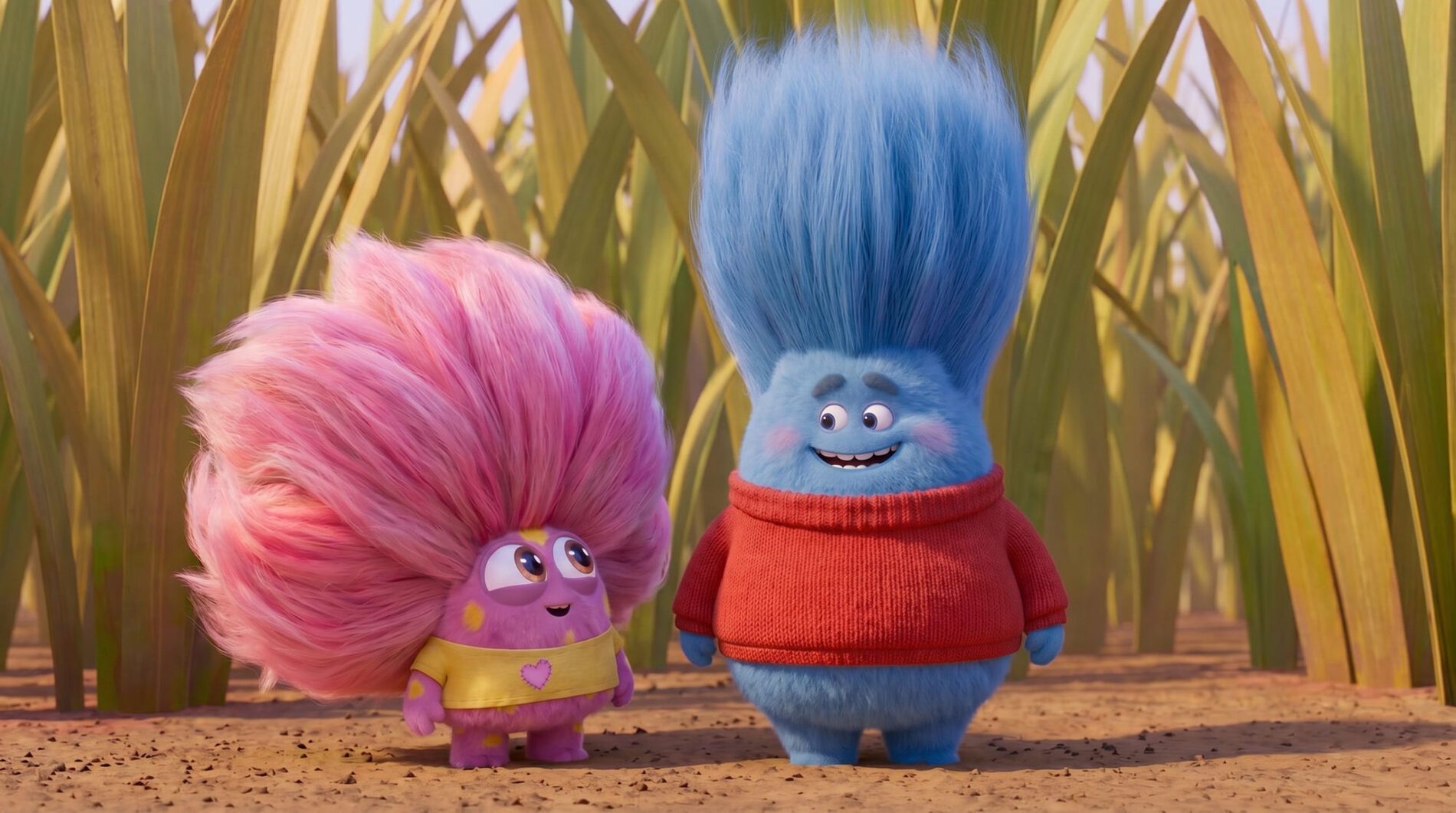
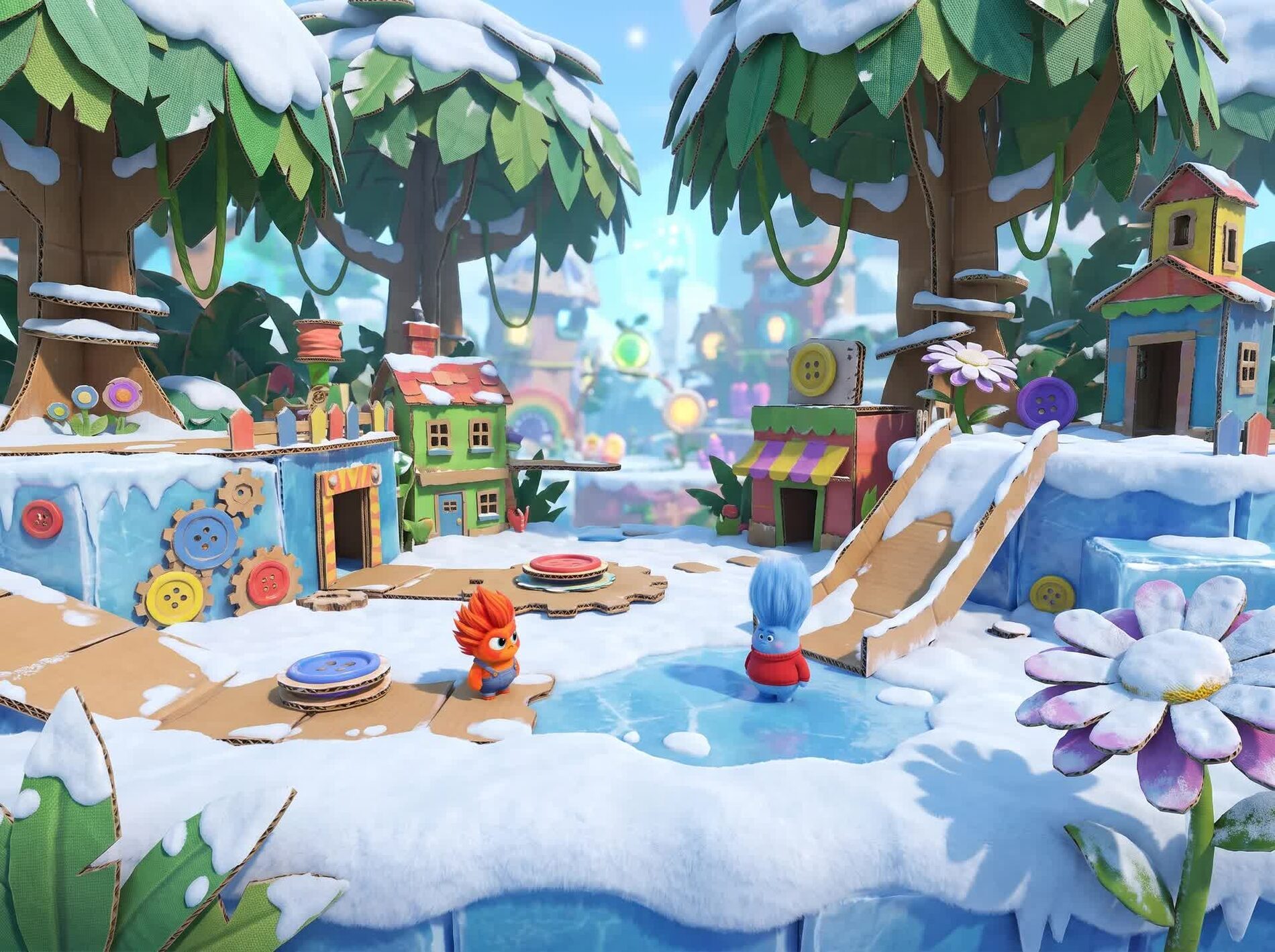
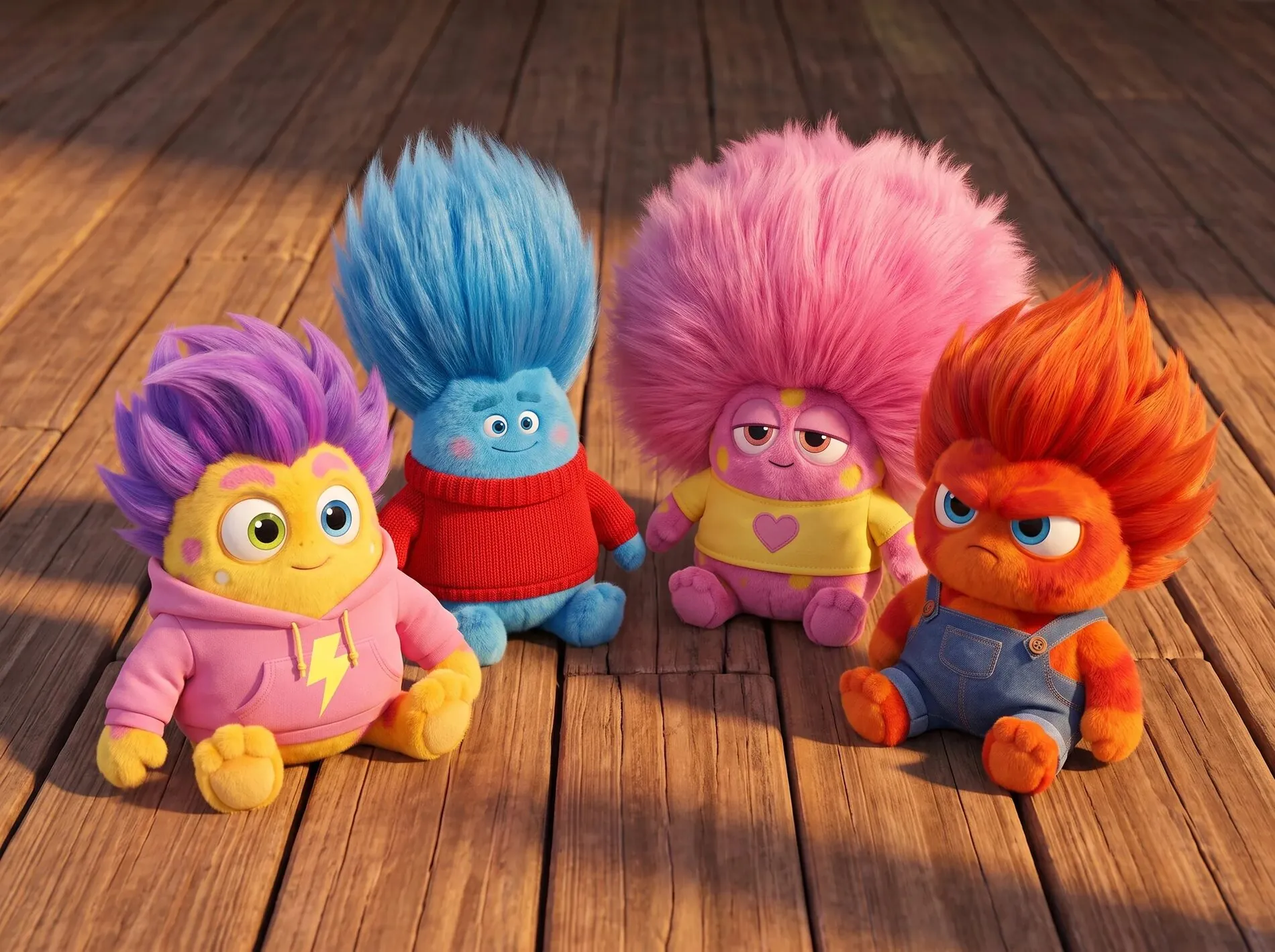
Our sisters Ela and Lumi explore different ways of experiencing the world and understanding one another. We chose the book for a reading moment that leaves room for a simple question: “What might help her now?”
The answer could be a word, a gesture or no answer at all. There is no need to press for the right explanation. Familiar characters can become something you return to another time.
Explore the first TAMITOS book, its published Slovak edition, or Ela, Lumi and the character world. The English Kindle edition, TAMITOS: Tale of Understanding, is available on Amazon. A Czech edition is separate. Book 2, Príbeh výnimočnosti, is a separate Slovak pre-order.
2. The Color Monster: feelings in pictures
Anna Llenas connects feelings with colours. We chose it for looking and conversation. Leave room for your child's own colour associations, rather than making them a universal rule. US publisher's edition.
3. Elmer: being different
David McKee's colourful elephant brings individuality into a story. Our suggestion for noticing what stands out about a character and what your child likes. Official book page.
4. The Lion Inside: a small character and courage
Rachel Bright and Jim Field tell a story of a mouse, a lion and courage. We chose it for staying with a small hero's perspective. Publisher's book page.
5. The Koala Who Could: a story of change
Rachel Bright and Jim Field follow Kevin, a koala who likes things to stay the same. Read it as a story about a new experience, rather than behaviour every child must copy. Publisher's book page.
Read about feelings without turning the page into a test
Begin with something visible: “I can see she has hidden.” Let your child add a thought, or continue with the story. A “why” question can ask for more than choosing between two pictures. You can also talk about a place, object or favourite colour.
A story can remain a story. Every scene does not need to lead to your child's personal experience. If they begin to talk, listen. If they want to close the book, you can return another day. A meaningful moment does not have to happen after the final question. For practical ways to keep the activity comfortable, see reading with a child who does not want to answer questions. You can also share wordless picture books and let the illustrations lead.
You might draw one scene afterwards or act it out with two toys. One wants to keep playing while the other wants a break. Imagine together how they could work it out. You do not need to settle on only one acceptable ending.
Keep the activity small enough to enjoy. Reading one page, looking at one illustration or returning to a familiar character can be a complete shared moment. A long discussion is not the measure of whether you used the book well.
A feelings book can offer more than emotion names
Sometimes noticing what a character needs is more useful than deciding on the exact name of a feeling. Stories can include uncertainty, silence and different reactions to the same event. Look for text and illustrations that leave room to observe.
For another way into the topic, explore cartoons about feelings and the upcoming TAMITOS series. The series remains in production. You can play the available TAMITOS browser games today or use our Christmas book gift guide when choosing a present.
Frequently asked questions
When can we start reading books about feelings?
Consider the pictures, text length, your child's interest and the particular publisher's age guidance. Looking together can be different from reading a whole story.
Does a child need to name their feelings afterwards?
No. These are ideas for shared reading, rather than a test. The same story will not work in the same way for every child.
Can a picture book replace professional support?
No. A book offers a story and a shared activity. Individual professional support has a separate purpose. This selection does not promise clinical results.
Book details and sources checked on 11 October 2026. Check the edition's language and format before buying.
More book recommendations
Best children's books · Children's books for a home library
A related guide: A message inside a child's book: personal, not pushy.
Mom of two and co-founder of TAMITOS. For several years I have walked alongside our daughter on the autism spectrum, sharing real experiences from everyday life to bring more understanding and practical information to parents and everyone around them.
More articles
What is Easy Read? Clear information with useful pictures
Easy Read is a way of preparing information so it is easier to read and understand. It involves more than shor…
Baking with children when noise or sticky hands get in the way
When baking with children, offer small jobs they can genuinely choose or decline. A child might arrange paper …
A child's reading corner: start with one book
A child's reading corner can be a comfortable place to open a book, rather than a dedicated part of a bedroom.…
 Free