





A café visit with a child: ordering, waiting and leaving
Plan a short café visit around seating, ordering, waiting and a way to leave. Practical examples without pressure to eat or stay.
 Nina Bakalová24 October 2026 · 5 min read

Plan a short café or restaurant visit around your child's particular needs: check the setting, keep the order straightforward and agree how they can communicate that they want a break or to leave. The goal does not have to be a full meal or trying unfamiliar food. It can be a little time together that ends earlier than expected.
Glasses clink at the next table. The coffee machine hisses, someone scrapes a chair across the floor, and the drinks have not arrived. You were picturing ten quiet minutes. Your child may have just realised that the noise will happen again.
This is a fictional example, not a family memory. The article is about planning an outing, not treating eating difficulties or changing a child's diet.
What is worth checking before you arrive?
Instead of asking only whether a café is child-friendly, ask about the details you need. When is it less crowded? Is there a table away from the coffee machine or speaker? Do customers order at the counter or wait for table service? Can you pay when ordering?
Not every venue can meet every request. A concrete answer still helps you decide whether the place suits your family. A photograph of an empty room cannot tell you what a busy lunch service will sound like.
Leicestershire Partnership NHS Trust describes the relevance of the environment around meals, including sounds, lighting and the number of people. That does not mean every child will prefer the same table. Start with what you know about your own child.
Choose one small purpose for this visit
An outing does not need to combine meeting friends, a full lunch, dessert and a long conversation between adults. It might simply be a brief stop with an order you have already discussed. If your child does not want to sit down or go inside today, the plan can change.
The NHS guidance on everyday activities recommends starting slowly and not forcing children into activities they find uncomfortable. A short visit here is not a training session that must become longer next time.
As with visiting grandparents, a clear agreement among adults can help: we will not add another part to the outing without discussing it first. One person may imagine a quick drink while another is preparing to order lunch. Noticing that mismatch before sitting down avoids making the child negotiate an adult disagreement.
Keep surprises out of the order where possible
Look at the current menu and ask about details that matter. If presentation is important, you can check whether a sauce can be served separately or which type of cup will be used. A photograph posted last year is not a promise about today's order.
The Chelsea and Westminster Hospital support page emphasises planning, communication with hosts and realistic expectations for social meals. If your family needs to bring familiar food, arrange that with the venue beforehand. This article does not recommend a particular diet or a method of introducing new foods.
In an original fictional example, a parent discovers that the chosen food is unavailable. Rather than waiting until everyone is seated, they explain before entering and offer realistic alternatives: another acceptable order, a different place or another day. The visit does not need to become a test of willingness to taste something new.
What will your child know about waiting?
Avoid promising “straight away” when you do not know when the order will arrive. You can describe the sequence instead: first we order, then we wait, and the drink comes. If that changes, explain the change briefly and honestly.
Your child might choose one familiar thing for the wait, such as a small book. They do not have to answer questions about it or perform reading for the adults. Our article about waiting at a supermarket checkout explores another moment when an adult's expected timetable stops matching what is happening.
The aim is not to fill every pause with a new task. Sometimes the more useful information is that leaving remains possible. “We have ordered” does not have to mean “nothing about the plan can change now.”
Agree how leaving will work before you need to leave
Your child may use speech, a gesture or their usual communication system to say they have had enough. There is no need to introduce a new signal solely for a café visit. Our AAC introduction explains that communication can take different forms.
If two adults are coming, you can agree who will stay with the child and who will handle payment. If you are the only adult, ask about paying earlier or the practical steps for ending the order. Ordinary logistics can determine whether a changed plan involves another long wait.
In a fictional scene, a child communicates that they want to leave before the drink arrives. The adult handles the order according to the arrangement with staff and ends the visit. Finishing the drink need not be the measure of success. Following the agreement can matter more.
Common questions
Does my child have to order for themselves?
No. They can choose a way of participating that suits them. Speaking to a server does not have to be the purpose of this visit.
What if we do not stay at all?
You can postpone the visit or choose something else. There is no requirement to arrange a harder attempt immediately to make up for today.
Is a book meant to make a child stay at any cost?
No. A book can be part of time together, not a condition for staying. If you would like a shared story, explore the story behind our first TAMITOS book. This is our own book recommendation, without a claim that it treats a condition or guarantees an uncomplicated outing.
More small family arrangements
For other moments together, explore When a child does not open a book gift straight away and Asking family for practical help: one clear arrangement.
Mom of two and co-founder of TAMITOS. For several years I have walked alongside our daughter on the autism spectrum, sharing real experiences from everyday life to bring more understanding and practical information to parents and everyone around them.
More articles
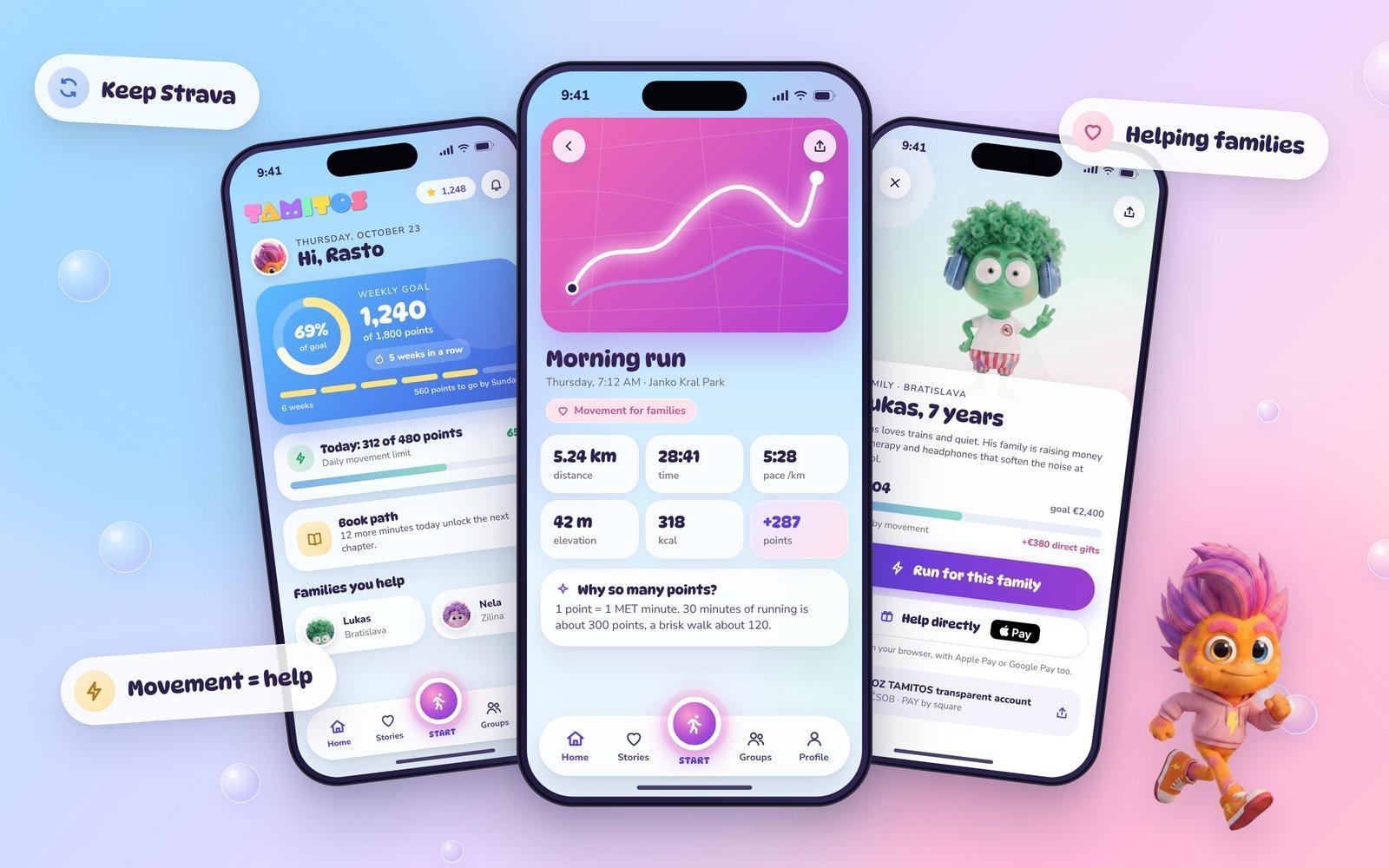
TAMITOS Move vs Strava: why run with an app that helps
TAMITOS Move is not just a charity app. It records your runs, walks and rides, gives you groups, photos, comme…

Autistic person or person with autism: why asking matters
Both “autistic person” and “person with autism” can belong in a respectful conversation. When referring to a p…

Leaving the playground: agreeing on the end of play
A final turn can mean different things to a parent and a child. Plan the end of playground time with honest ch…
 Free