


Giving a picture book to nursery: agree the purpose first
Choose a useful book for a shared nursery collection. Agree its purpose, edition, ownership and dedication before buying, with a simple planning example.
 Nina Bakalová5 November 2026 · 5 min read

A picture book for a nursery or preschool is best chosen after a short conversation with the people who will use it. Check whether they already have the title, which language they read in and where the book will belong. A useful gift fits the shared collection without creating an obligation for one child to present it or explain their own life to the group.
Ask before buying
A book might mark the end of a nursery year, celebrate a birthday or simply add something to the reading corner. The occasion does not tell you what the setting needs. They may have plenty of longer stories but want something that works for a brief look together. They may welcome a second copy of a favourite. A duplicate can be useful when it is intentional.
Try a short message: “We would like to give the group a picture book. Is there a title or subject you are looking for? I can send a preview before ordering.” Give the educator time to reply rather than expecting a decision during a busy morning drop-off. Agree how you will confirm the choice.
If the setting does not accept book donations, respect that answer. You do not need to replace the idea with a bigger gift. Every donated object needs space and someone to look after it, however generous the intention.
Choose a purpose before choosing a title
One group might want a short story for reading aloud. Another might use pictures for conversations with two or three children, or leave the book available during free play. Name one main use. Then you can consider picture size, text length and format without trying to identify a universal “best children's book”.
Scottish Book Trust's early-years guidance suggests following children's interests and exploring different kinds of books. That is a helpful starting point, not approval of a particular title for every nursery. People who know the group should have a say in the final choice.
For a book about emotions or difference, ask whether the story can stand on its own. It should not become a public explanation of a particular child's diagnosis. A gift need not say, “We bought this because of that child.” Our guide to picture-book reading in preschool explores discussing a story without singling someone out.
Look inside the exact edition
Send an available preview and the details of the edition you plan to buy. Look at a spread at its actual size. Can an adult comfortably read the text? Will children sitting a little further away see the main picture? Can the group pause at an illustration without needing an explanation of every small detail?
Check language, dimensions and binding. Similar covers do not make Slovak, Czech and English editions interchangeable. An electronic edition is also a different format from a printed book for a shared shelf. If a seller offers several versions, confirm exactly which one is in the basket before ordering.
Our guide to using a children's book preview offers a practical way to look beyond the cover. Reviews and suggested ages can help narrow a search, but they do not replace seeing the pages. Check availability separately and avoid promising a presentation date before delivery is confirmed.
Be clear about ownership
Distinguish a gift to the setting, a gift for a particular room and a book lent for a week. These arrangements create different expectations. For a loan, identify the owner and agree when it should come back. For a gift, do not require the book to remain beside your own child or be read every day.
A short dedication could say, “For shared stories in the Butterfly Room.” Ask before adding a family name, date or personal message. A long account of one child's experiences may not belong in a communal collection. For wording ideas, see writing a message inside a child's book.
Think about loose extras too. A ribbon, handmade card or detachable decoration may be lovely at home but awkward to keep with a book that many children handle. Let the setting decide what stays with the gift. The message does not need elaborate packaging to be meaningful.
An example: an end-of-year gift
This is an invented planning example, not a report from a nursery. A family wants to give a picture book about acceptance. They send the educator two available previews rather than arriving with a wrapped book and expecting a special reading. The educator chooses one because the other is already in the collection. They agree that it will join the reading corner.
At handover the parent says, “It is for everyone to share when it suits you.” Their child can hand it over but does not have to describe it in front of the group. If nobody opens it immediately, the gift has not failed. It does not require a photograph, a public thank-you or proof that the story has been read.
If several families contribute, agree that participation is voluntary and keep the budget straightforward. Choosing a book should not become a contest over who gives most. One suitable, agreed title can be enough.
Considering TAMITOS
Our own editorial suggestion is TAMITOS: A Tale of Understanding. We are recommending our own book, not presenting an independent test or professional award. Show the educator a preview and check whether the story suits the reading they have in mind. Check the seller's current language and format options separately. A book does not replace individual support or professional work with a child.
Common questions
Should the book be a surprise?
For a shared collection, confirming the title first is usually more practical. A small dedication can still be a surprise if the setting welcomes it.
Does it have to be a new copy?
Ask the recipient. For a used copy, check that the pages are complete and describe any damage honestly rather than hiding it with a cover.
What if the group does not read it straight away?
A gift does not create a deadline for the next reading session. If you intended a temporary loan for a particular activity, agree that before handing it over.
Source: Scottish Book Trust: Top tips, choosing books for little ones, updated 19 December 2024, checked 3 November 2026. The planning steps and example are TAMITOS editorial suggestions, not rules applying to every setting.
Mom of two and co-founder of TAMITOS. For several years I have walked alongside our daughter on the autism spectrum, sharing real experiences from everyday life to bring more understanding and practical information to parents and everyone around them.
More articles
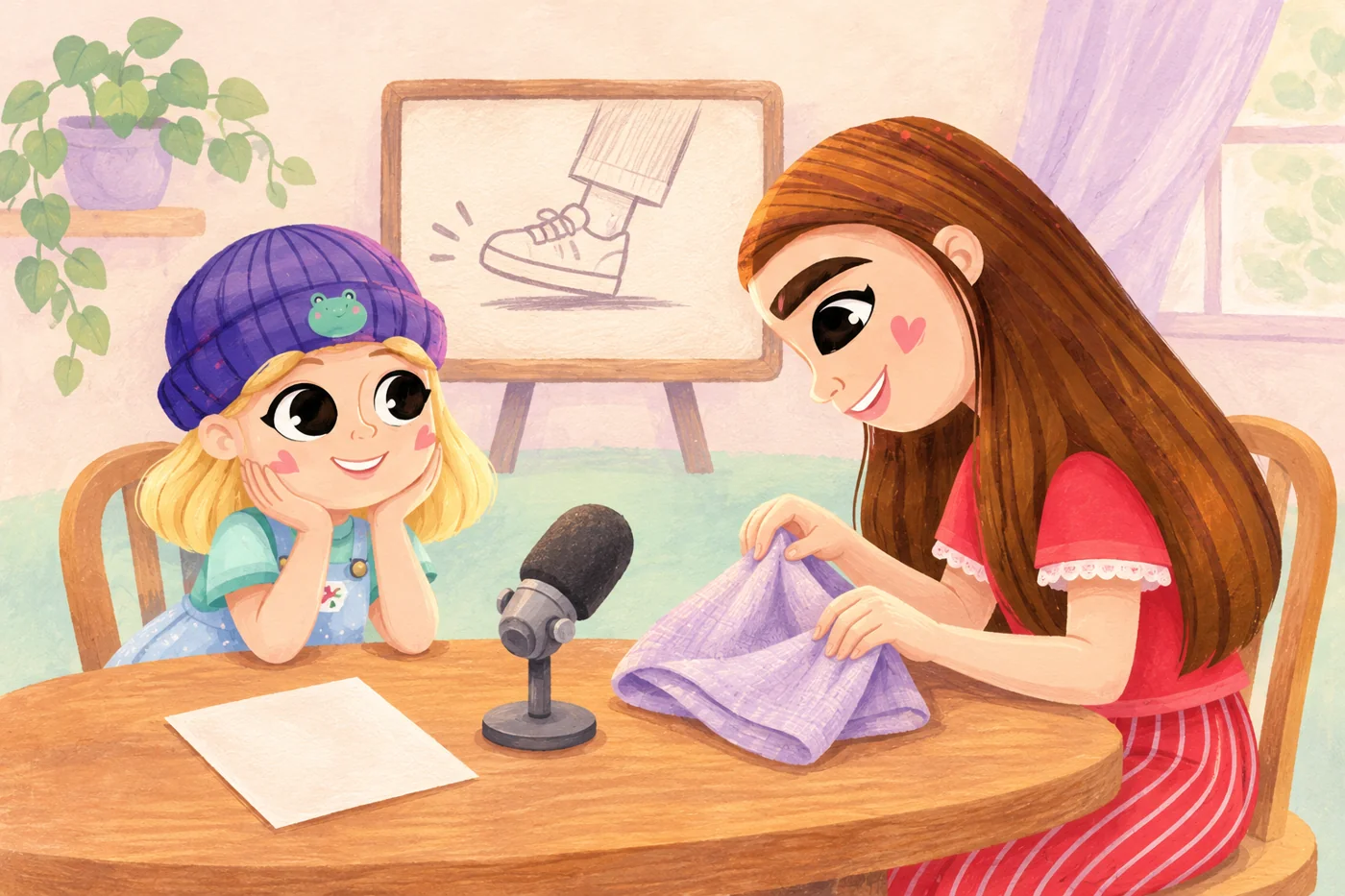
What is Foley? Making footsteps and everyday story sounds
Foley is the performance and recording of sound details timed to an action on screen. Footsteps, clothing move…
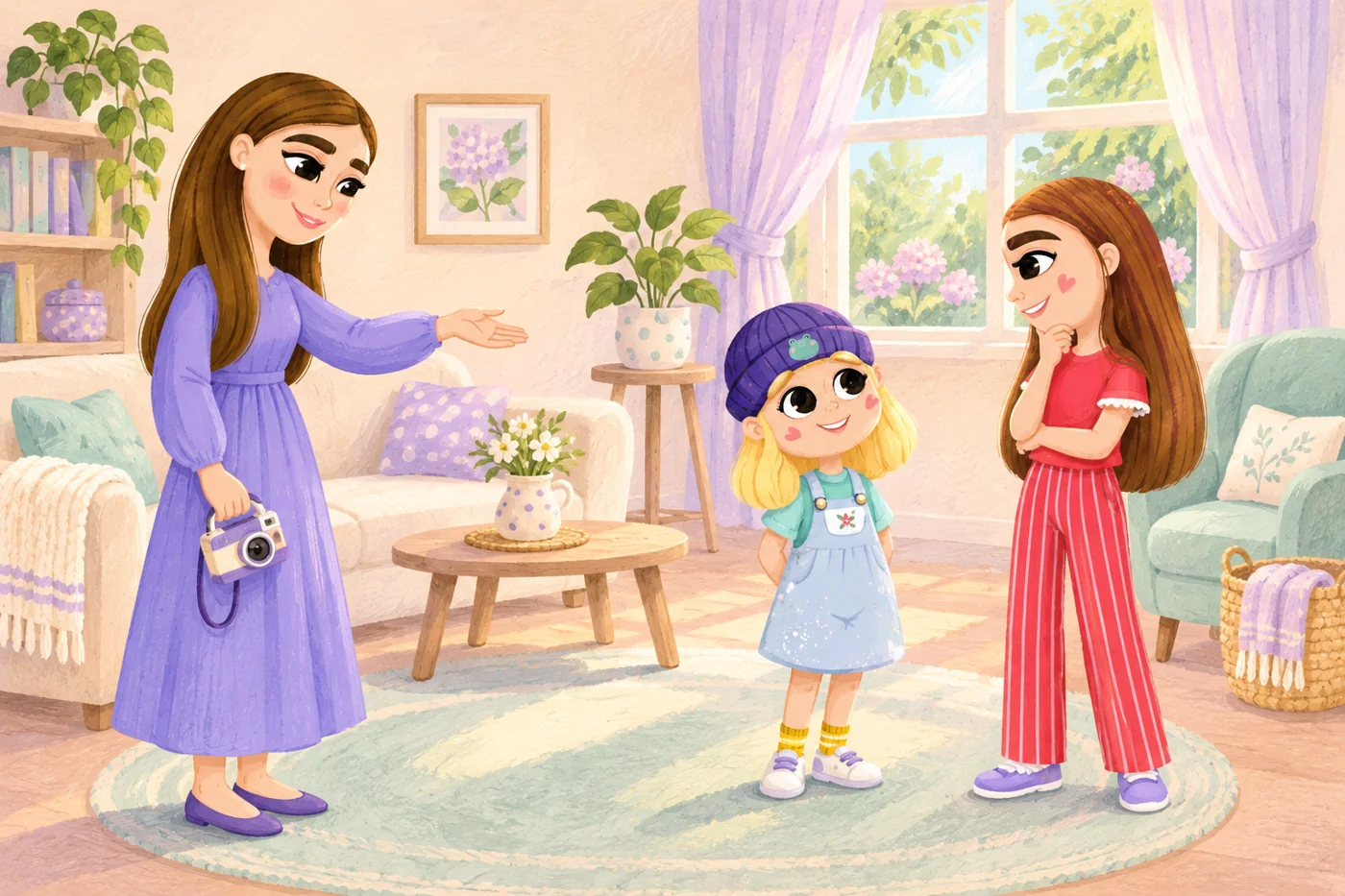
A family photo without a forced smile or hug
A family photograph can work without a compulsory smile, a hug or a long sequence of poses. Explain where it w…
What is an animatic? Storyboard pictures played in time
An animatic is a working sequence in which storyboard pictures play for chosen lengths of time. It may include…
 Free