



Reading in a bilingual family: one story, two languages
Reading with a child in two languages does not require translating every sentence twice. Choose a language you can use comfortably, make room for the pictures…
 Nina Bakalová21 October 2026 · 5 min read

Reading with a child in two languages does not require translating every sentence twice. Choose a language you can use comfortably, make room for the pictures and notice whether the child still wants the story. Shared reading in a bilingual family can be time together rather than a vocabulary test.
There is a cat on the page. One adult calls it a cat, another uses the family's other language, and the child points to its tail. The story can continue without a demonstration of both words. This is an original model example, not a report about a particular family or a way to assess language development.
Do we need a dual-language edition?
Not necessarily. Parallel text can help different adults share the same book, but an illustrated book also offers pictures to talk about. BookTrust's dual-language guidance encourages sharing books in a family's home language. It also discusses talking about pictures when the available book is in English. That is a practical option, not a guarantee of a particular language outcome.
Look at a sample before buying. Does the edition contain the full story in both languages, or a few translated words? Can each reader comfortably see the print? Does the page become crowded? Our guide to choosing a children's book from its preview explains what to check beyond the cover photograph.
One story need not become two compulsory readings
Start with a scene rather than an ambitious language timetable. One adult might read the printed words and then talk about the picture in a familiar home language. If the child wants the next page, you do not have to restart simply because the second version has not yet been performed.
Another household may prefer different readers on different evenings. The useful agreement is the one that makes a book easier to share. If maintaining the rule takes more attention than enjoying the story, simplify the rule. This article does not prescribe how much exposure a particular child needs to each language.
An original example of an adult agreement is: “You finish it tonight. Tomorrow I will look at the bicycle picture with her.” It leaves space for continuity without making one adult responsible for delivering a complete lesson in two languages before bedtime.
Follow the meaning of the child's contribution
A contribution can matter to the story even when it arrives in a different language from the adult's question. If you understand the word or gesture, you can respond to the observation. You need not stop the book until the child produces your preferred language version.
Consider a model example. At a rainy scene, a child uses the other home language to name an umbrella. The adult responds in English: “Yes, an umbrella. Who is she sharing it with?” The conversation stays with the action. This illustrates one possible response, not a clinical interpretation of language mixing.
Silence is also compatible with sharing a book. A child may prefer listening, pointing or turning pages on that occasion. Our article about reading without compulsory answers offers more ways to keep the invitation open. Enjoying a picture need not come with a requirement to explain it.
Make it easier for grandparents to join
A grandparent does not have to perform an unfamiliar accent to make a book worth opening. They can describe a scene in the language they use naturally. Before a visit, send the cover and explain which picture the child likes, rather than forwarding a list of words they must teach.
Tell them what is optional too. They do not need to correct every label, request repetition or insist on finishing. Small agreements are part of our guide to visiting grandparents. A shared picture can give people with different levels of language confidence somewhere to begin.
If two adults tell the same scene differently, the family can acknowledge that without staging a correction in front of the child. Decide whether you are quoting the printed text or describing the illustration in your own words. Those are different activities, and both can have a place in an informal reading session.
Check the actual book edition
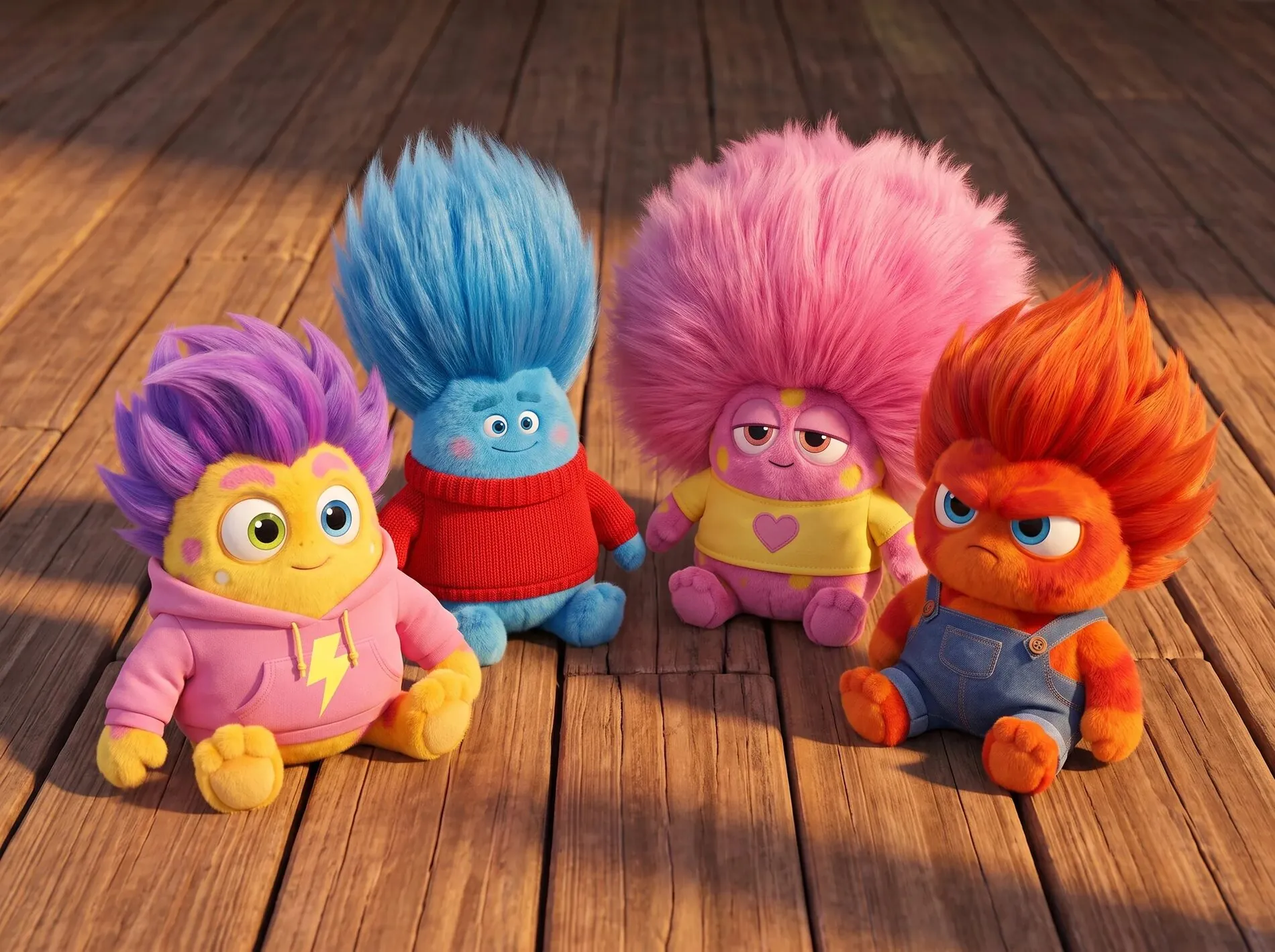
For a story about understanding differences, explore the TAMITOS children's book. This is our own product recommendation. Check the language and format on the destination product listing before paying; an English webpage does not by itself establish that every item it links to is an English edition.
Slovak and Czech editions are separate products. Multiple editions do not mean one physical book contains parallel translations. If the intended reader lives abroad, ask who will read with the child and which language they want. A gift for a Slovak-speaking household may need a different edition from one for a reader unfamiliar with Slovak.
We are not presenting the book as language therapy or promising that buying it will produce bilingual fluency. The practical purchase question is whether the edition fits the people who will use it. You can also begin with wordless picture books when your immediate goal is a shared conversation through illustrations.
Questions families ask
Must I translate each sentence immediately?
No rule in shared reading requires that. Try one version or a natural conversation about a picture. Notice whether the repeated translation serves the reader or interrupts a story they want to follow.
What if I do not feel confident in the second language?
Choose a language in which you can read and respond comfortably. This article does not set an individual language programme. For specific communication concerns, seek a qualified professional familiar with multilingual families rather than using a blog to assess development.
Do we need to buy another book first?
Look at the pictures in a book you already have. That may help you decide whether the missing ingredient is a different edition or simply an easier agreement about who reads tonight.
Sources and links checked on 21 October 2026. Family situations are original TAMITOS model examples.
Mom of two and co-founder of TAMITOS. For several years I have walked alongside our daughter on the autism spectrum, sharing real experiences from everyday life to bring more understanding and practical information to parents and everyone around them.
More articles
What is alt text? Describe the picture’s purpose
Alt text conveys an image's relevant meaning to someone who cannot see it. A visible caption may add context o…
Shopping with a child: when the checkout queue stops
The hardest part of a short shopping trip with a child may be waiting at the checkout. A smaller list, a clear…

TAMITOS: How love for our daughter became a project for the world
Nina and Rastislav Bakala share the story of Zoe and Tamia, and how love for their daughter inspired books, TA…
 Free