


Personality
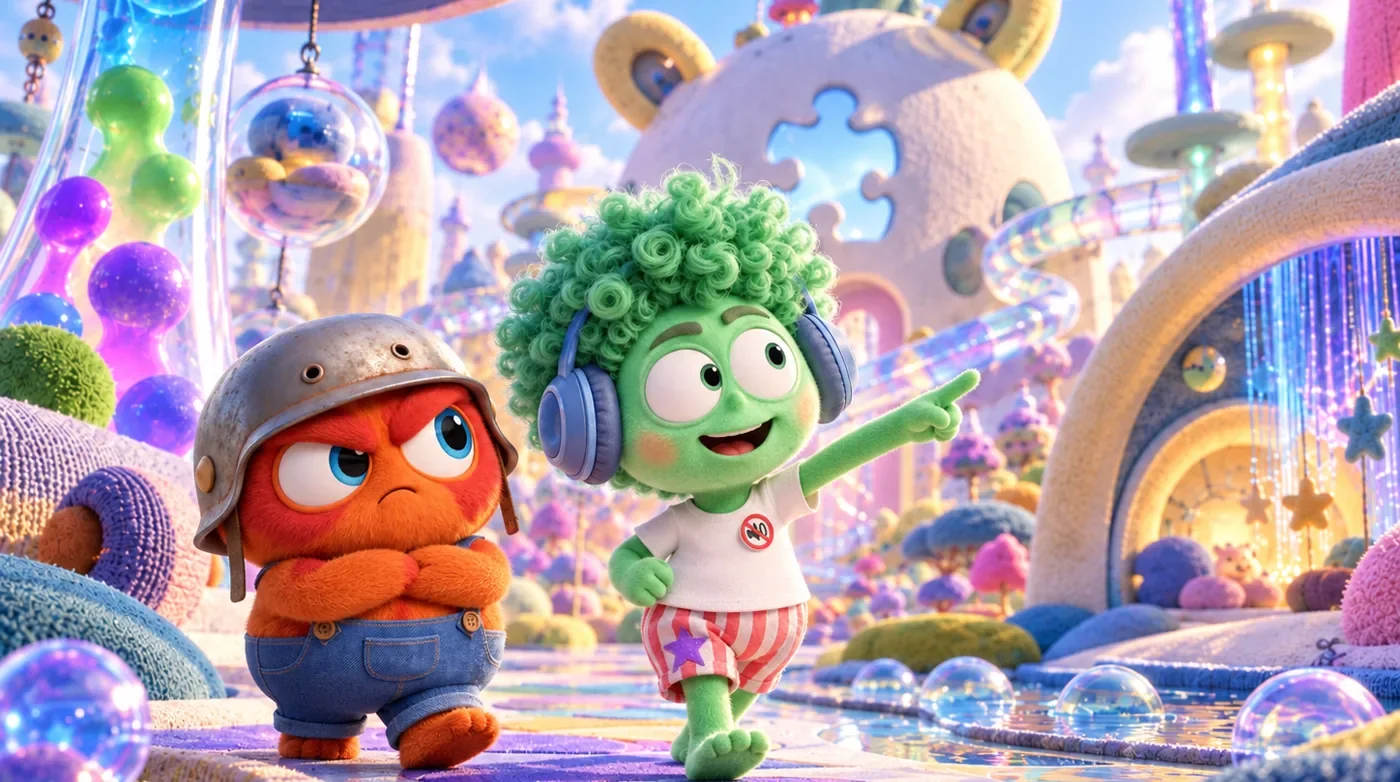
Fair, loyal and honest, grumpy on the outside but deeply sensitive and caring underneath. Grumplet loves peace and quiet, hates unfairness, and would do anything for his friends, even while complaining about it the whole way.
Grumplet represents bottled-up anger, sensory overload and autistic meltdowns, not as bad behaviour but as the moment when too much simply becomes too much. He helps children see anger as a signal, not a flaw.
Grumplet feels emotions at full volume. When something is unfair or too much, the frustration arrives fast and hot, long before the words to explain it do.
Fair, loyal and honest, grumpy on the outside but deeply sensitive and caring underneath. Grumplet loves peace and quiet, hates unfairness, and would do anything for his friends, even while complaining about it the whole way.
Loud noises, chaos and sudden changes overwhelm him fast, and when nobody listens he can explode before he finds the words. He often seems cold or unfriendly when he is really just anxious or scared, and struggles to share his feelings before he reaches breaking point.
As overwhelm builds, his body inflates and flames burst out of him. Once he learns to cool down, that same fire stops being destructive and becomes a shield he uses to protect the very friends who protect him.
Fair, loyal and honest, with a huge heart hidden behind the grumbling
Anger, overwhelm, sensory overload and autistic meltdowns
Spotting overload early and asking for help before the explosion
He grumbles about everything and retreats to his volcano to recharge when it all gets too loud, then comes back ready to protect the friends he loves.
The story
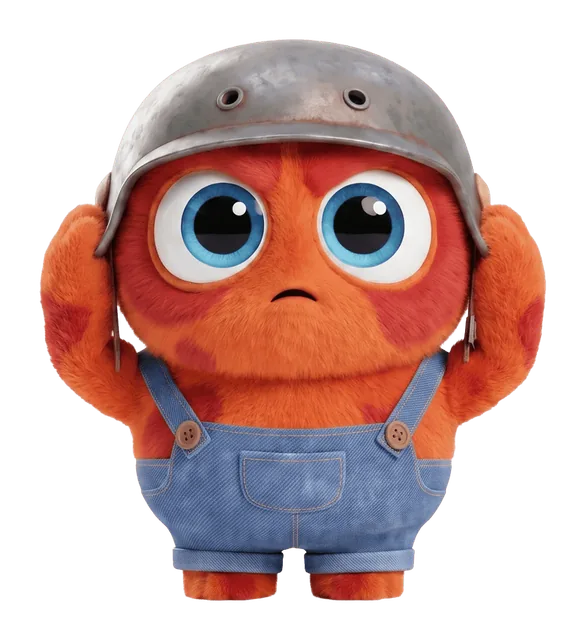
I told you. I warned you. That's not fair. Can we please turn it down? Nobody ever listens to me! Here we go again... breathe, breathe, breathe.
Across the series Grumplet slowly learns to recognise and communicate his feelings before they overwhelm him. By the finale his fire is no longer a force of destruction; it becomes a shield he uses to protect the very friends who once protected him.
Anger is not the enemy. Every big feeling is trying to tell us something.
For parents and teachers
Big reactions are often a response to overwhelm, not defiance. When sensory input, change or frustration build up faster than a child can process them, the feeling can spill over as anger. It is a sign the child has reached their limit, not that they are misbehaving.
Name the feeling early and offer a calm-down plan before the peak. Predictable routines, warnings before transitions, a quiet space to reset, and simple words or pictures for feelings all help. Staying calm yourself and validating the feeling teaches the child that big emotions are safe to share.
What you can do right now
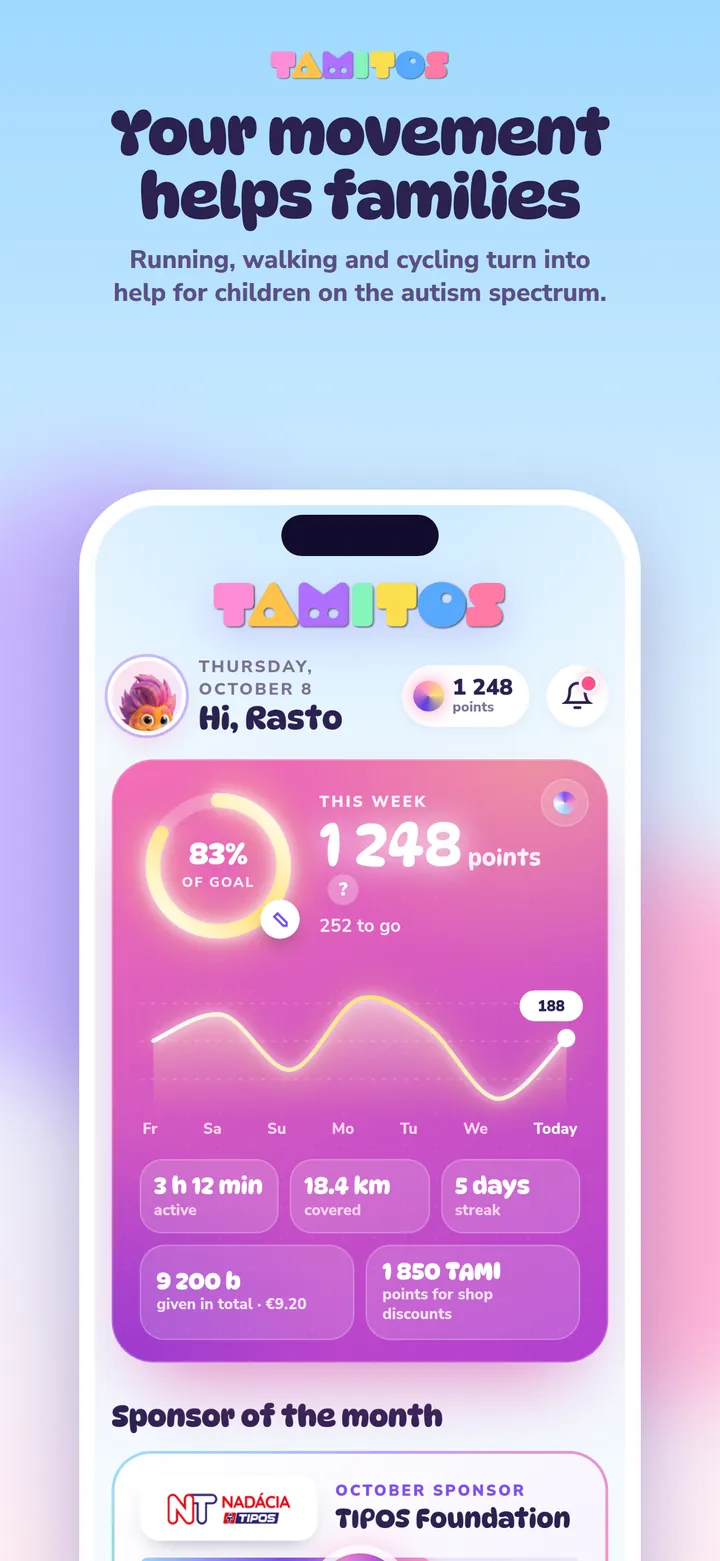 Free
FreeMovement turns into points and points into help for families. Unlock the Tamitos by walking, running and playing outside.
Get the app How does the app work?One account for the app, the shop and the website. Points for moving, shopping and inviting friends, badges for helping.
Sign up free See the perks 16,90 €
A picture book about autism and feelings for bedtime reading. Part of every order goes to families. Slovak edition, English coming.
Buy the book
Your gift goes to the nonprofit OZ TAMITOS and straight to families of autistic children.
One account for the TAMITOS Move app, the shop and the website. Earn points for moving, shopping and inviting a friend, climb the levels and soon swap them for discounts and badges.
We use cookies to learn which articles and products actually help families, and to reach more families. Nothing beyond what the site needs to work runs without your consent. More about cookies
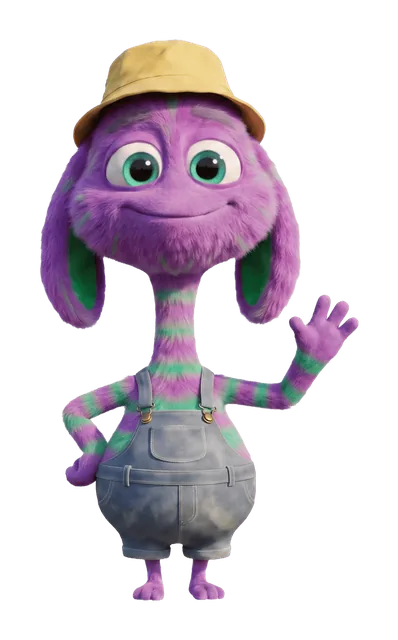 Sadlet
 Touchet
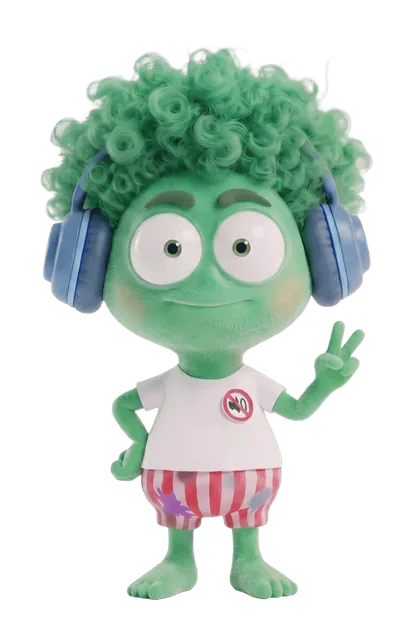 Hushlit
 Mellowlet
 Cleverkin